SI Joint Injection with Fluoroscopy: What to Expect

You may feel pain just below the belt line, deep in one buttock, or across the back of the pelvis, yet still struggle to identify exactly where it starts. Sitting, standing, climbing stairs, or turning in bed can become difficult, and an MRI may not provide a clear answer. In that situation, a sacroiliac joint … Read more

Nerve Block Hand: Types, Procedure, and What to Expect

A swollen finger after a car-door injury can make even a simple examination feel frightening. A carpenter waiting for tendon repair may have a different concern: whether the hand will be numb enough for the surgeon to work, and whether the pain will return as soon as the procedure ends. In both situations, a hand … Read more

Pain in Neck After Surgery: Causes and Relief

A person can wake after cervical surgery expecting the original pain to be gone, only to notice a stiff neck, aching shoulders, burning near the incision, or discomfort when swallowing. That experience can feel alarming, especially when the new pain seems different from the symptoms that led to surgery. Some soreness is part of healing. … Read more

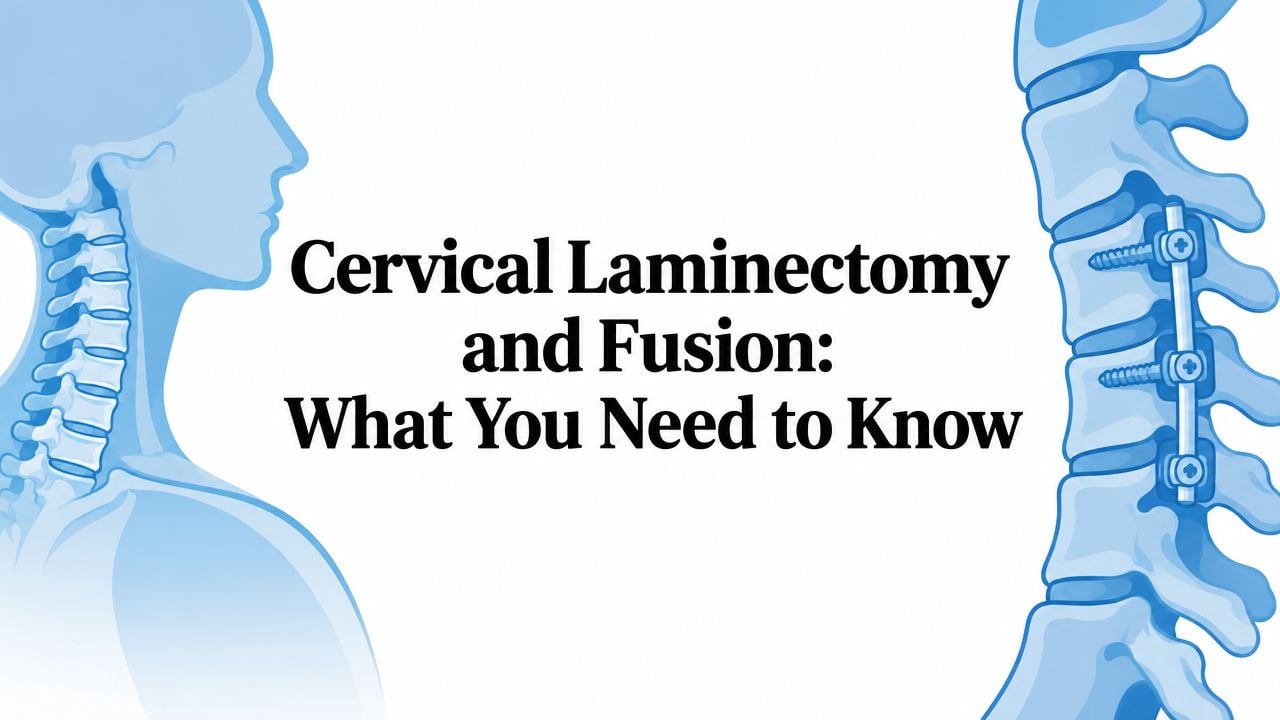
Cervical Laminectomy and Fusion: What You Need to Know

A coffee mug slips from a patient's hand for the third time in a week. At first, the clumsiness seems like carpal tunnel syndrome or simple fatigue. Then the patient notices a stiff, unsteady walk, trouble with buttons, and a tendency to misjudge steps. Those symptoms can reflect cervical myelopathy, a condition in which the … Read more

Neck Pain Differential Diagnosis Explained

A reader may wake with a stiff neck after sleeping awkwardly, spend the morning rubbing a tight muscle, and assume the problem is simple. Another person may describe the same neck pain as burning electricity traveling into the hand, or notice that buttons and handwriting have suddenly become difficult. Those complaints can sound similar at … Read more

Disc Extrusion vs Herniation Explained

The most popular advice about disc extrusion vs herniation is often wrong: a frightening MRI label doesn't automatically mean surgery. An extrusion is a more specific form of disc herniation, and it can cause significant nerve irritation, but the treatment decision depends on the full clinical picture, including pain, weakness, sensation, function, and urgent warning … Read more

Epidural Steroid Injection Risks: What You Should Know

A patient with burning pain down one leg has finally reached the consent visit. The MRI shows a disc problem, daily walking has become difficult, and an epidural steroid injection sounds like a reasonable next step. Then the physician mentions bleeding, infection, nerve injury, paralysis, and death. Most patients leave that conversation wondering whether the … Read more

Spinal Cord Stimulator vs Pain Pump Guide

A patient with persistent back and leg pain may reach the same difficult appointment after exhausting physical therapy, medications, injections, and even additional surgery. The pain still interferes with sleep, walking, work, or basic independence. Then two implantable options enter the discussion: a spinal cord stimulator or an intrathecal pain pump. The choice isn't about … Read more

Anterior Cervical Discectomy and Fusion Recovery Time Guide

Early symptom improvement after anterior cervical discectomy and fusion often begins within 2–6 weeks, while radiographic fusion commonly takes 3–6 months and can extend to 6–12 months. Recovery is measured in weeks to months, not days, because feeling better happens well before the neck bone fully heals. A patient may wake after surgery relieved that … Read more

Discectomy vs Microdiscectomy: A Patient’s Guide

You're sitting in a spine surgeon's office with an MRI showing a lumbar disc fragment pressing on a nerve. The consent form lists discectomy and microdiscectomy, and both sound like reasonable answers. The key question isn't which operation has the smaller incision. It's which operation gives the surgeon the safest, clearest route to fully decompress … Read more