
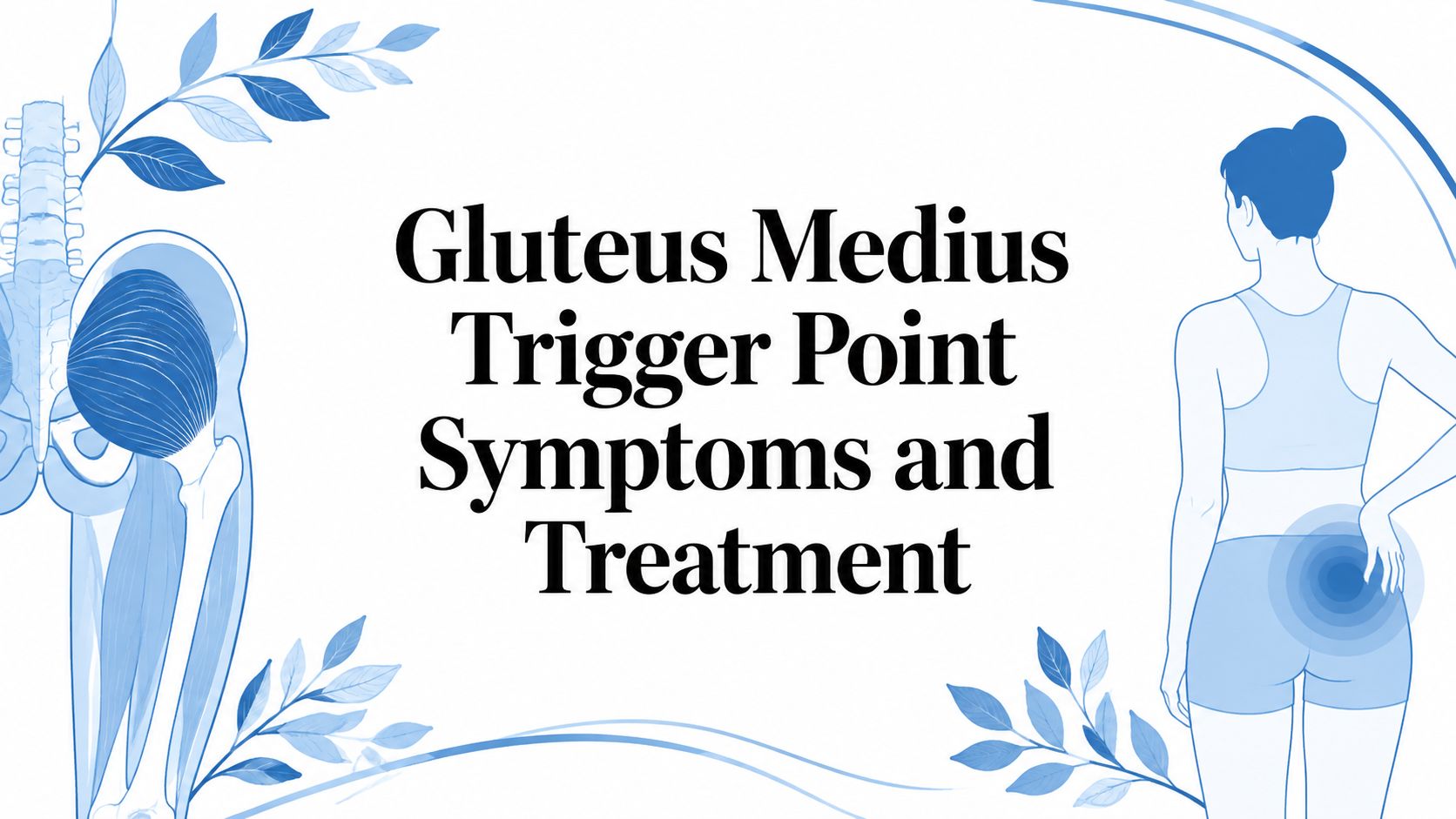
A stubborn ache sits on the outside of the hip and upper buttock. It appears when a runner climbs stairs, when a desk worker stands after a long sitting period, or when someone rolls over in bed. Pressing one tender spot may reproduce the familiar pain, which makes a gluteus medius trigger point seem like an obvious answer.
That conclusion can be premature. Lateral hip and buttock pain can also come from the lumbar spine, sacroiliac region, hip joint, tendons, bursa, or irritated nerves. A painful spot in the gluteus medius is useful information, but it isn't a complete diagnosis. The safest approach combines the pain pattern, movement findings, strength, neurologic signs, and response to an appropriate trial of care.
Table of Contents
- When Hip or Back Pain Is More Than a Sore Spot
- Understanding Gluteus Medius Trigger Points
- Conditions That Can Mimic Trigger Point Pain
- How Clinicians Assess the Pain Pattern
- Choosing the Right Conservative Treatment
- Two Pain Patterns and Their Different Paths
- Safe Home Care and Specialist Warning Signs
- Making a Clear Next-Step Plan
When Hip or Back Pain Is More Than a Sore Spot
A recreational runner may notice pain along the outer hip after increasing hill work. At first, the discomfort feels like ordinary muscle soreness. A few days later, stairs become uncomfortable, standing on one leg feels unstable, and sleeping on the affected side becomes difficult. Firm pressure into the upper buttock reproduces part of the pain, but the tenderness alone doesn't explain why the symptoms began or why they persist.
A desk worker may have a different version of the same problem. After hours of sitting, the first steps can produce a deep ache near the buttock and lateral hip. The pain may ease with gentle movement, then return during prolonged standing, walking, or climbing. That pattern can involve the gluteus medius, but it can also overlap with spinal referred pain, tendon irritation, or greater trochanteric pain syndrome.
Practical rule: A tender gluteus medius spot should be treated as a clue, not proof.
The distinction matters because myofascial pain can resemble several other conditions. Nerve-related pain may travel farther down the leg and include tingling or numbness. Hip joint disorders more often produce groin symptoms and restricted rotation. Sacroiliac pain tends to sit near the back of the pelvic brim, while lateral hip tendon or bursal problems may be especially sensitive to side-lying pressure.
A useful evaluation asks four questions:
- Where is the pain? Outer hip, upper buttock, groin, posterior thigh, or below the knee?
- What provokes it? Sitting, walking, stairs, running, rolling in bed, or spinal movement?
- What else is present? Weakness, altered sensation, reflex changes, stiffness, or night symptoms?
- What changes it? Rest, load reduction, strengthening, manual treatment, or lumbar-focused care?
This approach helps determine when targeted self-care is reasonable and when a broader assessment should come first.
Understanding Gluteus Medius Trigger Points
A trigger point can be visualized as a small tight section in a rope. The surrounding fibers may still move, but the tight segment changes how force travels through the rope. In muscle, a sensitive area within a taut band may feel like a firm knot and may produce local tenderness or pain in a nearby region when compressed.
An active trigger point reproduces pain that resembles the person's usual complaint. A latent trigger point may feel tender or stiff during examination but doesn't produce the familiar everyday symptoms without pressure. Neither finding, by itself, establishes the source of all pain.
The gluteus medius sits on the outer surface of the pelvis and serves as a major hip abductor, moving the leg away from the body. It also helps keep the pelvis level when the opposite foot leaves the ground. Weakness, poor endurance, sudden changes in walking or running load, prolonged sitting, altered pelvic mechanics, or a previous low back injury can increase demand on the muscle.
Pain attributed to the gluteus medius may be felt over the lateral hip, upper buttock, or sometimes the posterior thigh. Referred pain means the painful sensation isn't necessarily located exactly where the sensitive muscle tissue is. That feature can make the problem confusing, particularly when the symptoms overlap with lumbar or sacroiliac pain.
What the research can and cannot show
Research supports the clinical relevance of gluteus medius findings, while also showing why caution is necessary. A 2020 prospective study of people with radiating low back pain found gluteus medius myofascial trigger points in 35% of assessed cases, while 82.7% had at least one trigger point somewhere in the lumbar or gluteal examination set. The same study reported 92% interexaminer agreement for detecting gluteus medius trigger points and a reliability coefficient of 0.83, suggesting that trained examiners can identify the finding consistently in that setting. (Read the prospective study on gluteus medius trigger points)
A 2015 clinical study of mechanical low back pain reported gluteus medius trigger-point involvement in 69% of participants, with an average of 5.6±1.3 active points among those affected. The posterior and superior fibers, particularly points described as 1, 2, and 4, were most frequently involved in that cohort. (Review the mechanical low back pain study)
These results show prevalence and repeatable examination patterns, not a universal diagnostic test. A broader review found that palpation research was often low quality, and that pain referral for the gluteus medius had only fair-to-moderate inter-rater agreement, with kappa values of .298 to .487. (Examine the systematic review of trigger-point palpation reliability) For readers seeking broader background, myofascial pain syndrome information can provide useful context, but a clinician still needs to assess the entire hip, pelvis, and lumbar pattern.
Conditions That Can Mimic Trigger Point Pain
The same outer-hip ache can point to different tissues. Greater trochanteric pain syndrome often causes tenderness around the bony prominence on the side of the hip and may involve gluteal tendon irritation as well as bursal sensitivity. Direct pressure from lying on that side commonly aggravates it.
Lumbar radiculopathy has a different emphasis. Pain may follow a more recognizable path into the thigh or leg, with numbness, tingling, weakness, or altered reflexes. Symptoms connected to nerve tension or spinal movement make a purely local gluteus medius explanation less convincing. Readers with possible nerve-related symptoms should review information about sciatica and pinched nerves and arrange an appropriate clinical assessment.
Sacroiliac joint pain usually sits near the posterior superior iliac spine, the bony area at the back of the pelvis. Clinicians use a group of provocation maneuvers rather than relying on one tender point. Hip osteoarthritis and femoroacetabular problems more often produce groin-dominant pain and restricted internal rotation, although symptoms can spread beyond the groin.
Piriformis-related pain may be centered deeper in the buttock and can sometimes irritate nearby nerve structures. Hamstring origin tendinopathy tends to be closer to the sitting bone and may worsen with running, acceleration, or prolonged sitting. The following comparison is a guide, not a substitute for examination.
Differential diagnosis comparison
| Condition | Pain location | Aggravating activities | Key exam finding | Most useful diagnostic clue |
|---|---|---|---|---|
| Gluteus medius myofascial pain | Lateral hip, upper buttock, or referred posterior thigh | Walking, stairs, running, single-leg loading | Familiar pain reproduced by focal palpation, possible abductor weakness | The complete pattern links focal tenderness with mechanical hip or pelvic findings |
| Greater trochanteric pain syndrome or bursal pain | Over or around the outer hip prominence | Side-lying, stair climbing, prolonged walking | Local tenderness over the trochanter, pain with compression or abductor loading | Direct lying pressure and trochanter-focused tenderness dominate |
| Lumbar radiculopathy | Back or buttock into a more distal leg distribution | Spinal movement, coughing, nerve tension, sitting | Sensory change, weakness, reflex difference, or positive nerve-tension signs | Neurologic findings support nerve-root involvement |
| Sacroiliac joint pain | Near the posterior pelvic landmarks | Transfers, stairs, turning, asymmetrical loading | Reproduction with a cluster of provocation maneuvers | Pain is consistently provoked from the sacroiliac region |
| Hip osteoarthritis | Groin, front of thigh, or buttock | Walking, pivoting, rising from a chair | Restricted and painful hip rotation, reduced joint motion | Groin pain with clear joint-motion restriction |
| Femoroacetabular disorder | Usually groin or anterior hip | Deep flexion, pivoting, prolonged sitting | Pain with flexion and rotation testing | Mechanical groin symptoms and impingement-type findings |
| Piriformis-related pain | Deep buttock, sometimes down the leg | Sitting, hip rotation, prolonged pressure | Buttock tenderness and pain with selected resisted or stretch positions | Deep buttock symptoms with a negative broader neurologic screen |
| Hamstring origin tendinopathy | Lower buttock near the sitting bone | Running, acceleration, sitting | Local origin tenderness and pain with resisted knee flexion or hip extension | Pain is closest to the ischial origin |
How Clinicians Assess the Pain Pattern
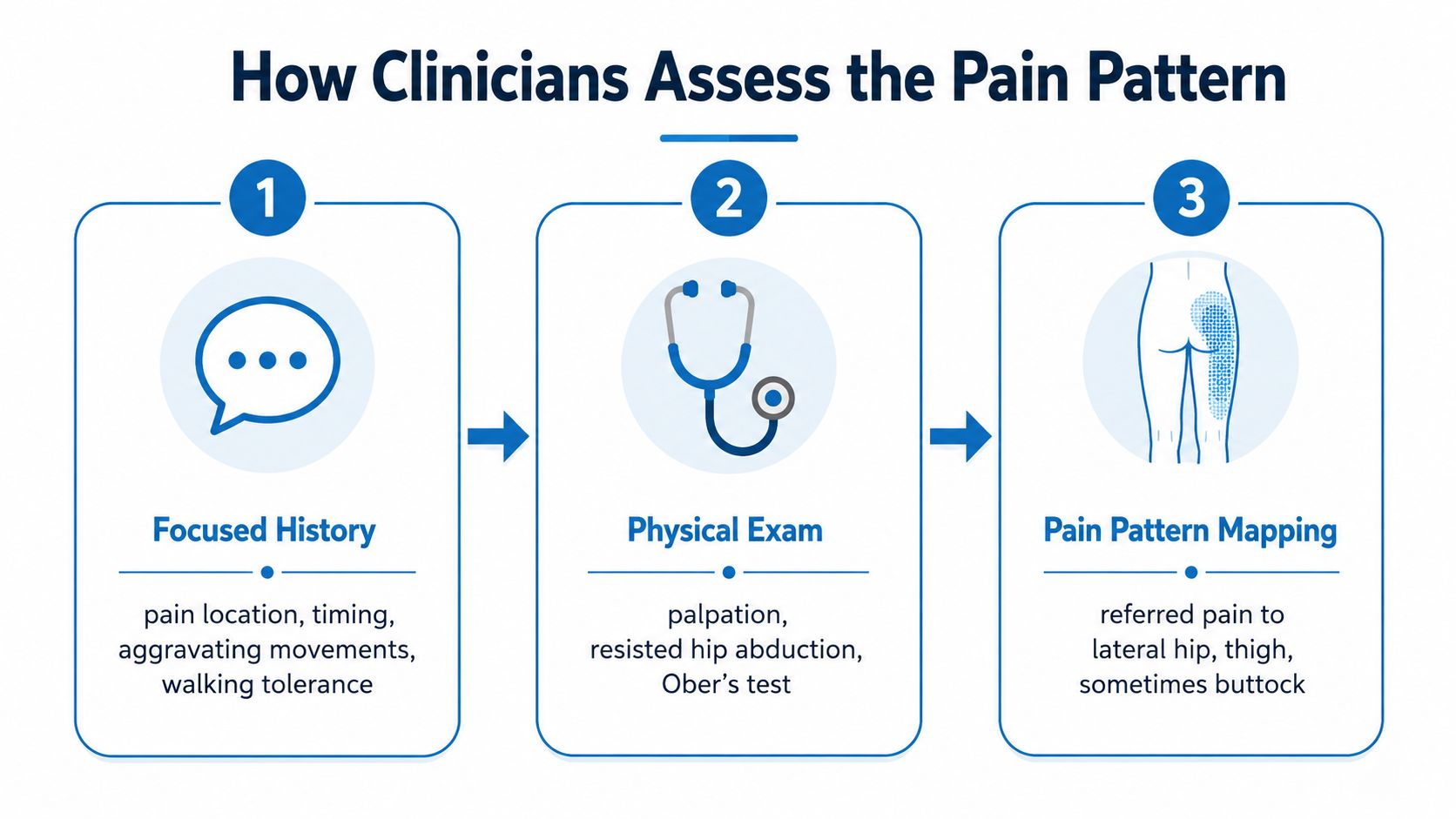
A sound assessment begins before palpation. The clinician asks when the pain started, whether the load changed, where symptoms travel, what walking or sitting does to the pain, and whether a prior back or hip injury changed movement. Night pain, fever, unexplained weight loss, trauma, progressive weakness, or sensory changes alter the urgency and the type of evaluation required.
The physical examination then tests several regions. Posture and gait may reveal a pelvic drop during single-leg stance, sometimes described as a Trendelenburg-type pattern. That observation doesn't prove a trigger point, but it can suggest impaired hip abductor force or endurance and help explain why walking or stairs are difficult.
A broader examination sequence
Palpation of the gluteus medius can identify a taut, tender area and determine whether pressure reproduces familiar symptoms. Hip and lumbar range-of-motion testing helps identify whether the pain behaves like a muscle problem, joint problem, or referred spinal problem. Resisted hip abduction tests force production and symptom reproduction, while neurologic screening examines strength, sensation, and reflexes relevant to lumbar nerve-root involvement.
A blinded cross-sectional study found that active or latent gluteus medius trigger points were associated with lower hip strength in people with chronic nonspecific low back pain. The weakest muscles were those with latent trigger points, and significant associations were reported for left internal rotation, right internal rotation, and right abduction. Trigger points weren't associated with passive hip range of motion, which points more toward impaired force generation than a simple stiffness problem. (Review the study of gluteus medius trigger points and hip strength)
Imaging often doesn't show a myofascial trigger point clearly. Clinicians may still request radiographs, magnetic resonance imaging, or other testing when the history and examination suggest joint disease, fracture, disc involvement, significant tendon pathology, or another condition that needs confirmation. The scan answers a different question from palpation.
The working diagnosis comes from the convergence of findings. A tender spot matters more when it reproduces familiar pain, matches the movement limitation, fits the walking or loading pattern, and appears without signs pointing more strongly to the spine or hip joint.
Choosing the Right Conservative Treatment
Treatment should match the presentation rather than follow a fixed menu. A person with a pelvic drop and poor abductor endurance needs a different emphasis from someone with a small, persistently tender area after the main mechanical problem has been addressed.
Match the intervention to the problem
Load management reduces repeated irritation while preserving tolerable movement. Temporarily reducing hills, stairs, long walks, or running volume may help when those activities clearly provoke symptoms. The aim isn't indefinite rest. It is to lower the aggravating load enough to allow graded rehabilitation.
Mobility work may help when surrounding hip or lumbar movement is limited, but aggressive stretching can aggravate some lateral-hip presentations. A clinician should determine whether a figure-four position, hip adduction, or another stretch compresses the painful tissues rather than assuming more range is always better.
Progressive strengthening is central when hip abductor weakness affects gait, stairs, or single-leg control. Isometric abduction can provide a tolerable starting point, followed by band resistance, side-stepping, and weight-bearing exercises as symptoms allow. The exact resistance, repetitions, and progression should reflect irritability and function.
Manual therapy may reduce tenderness or make movement easier in the short term. Soft-tissue mobilization, targeted pressure, and movement-based treatment work best when they support a broader plan that also addresses strength and load tolerance. Repeated passive treatment without functional improvement deserves reconsideration.
Dry needling can be considered when a clinician identifies a suitable latent or active trigger point and the patient understands that the procedure isn't a guarantee of lasting relief. In one quasi-experimental randomized study, dry needling of latent gluteus medius trigger points immediately increased force production while reducing the electromyographic activation needed to produce that force. Another clinical study found better short- and medium-term pain, pressure-pain threshold, and quality-of-life outcomes with dry needling than ischemic compression in nonspecific low back pain. (Review dry needling and gluteus medius physiologic outcomes)
Trigger-point injections may be discussed for persistent, focal pain after assessment and conservative care. They should be performed by a qualified clinician who can reassess the diagnosis, explain risks, and integrate rehabilitation. Information about trigger point injections can help patients prepare questions for a medical consultation.
Conservative treatment options at a glance
| Option | Primary role | Best-fit presentation | Typical timeline | Key limitation |
|---|---|---|---|---|
| Activity modification | Reduce aggravating load | Pain linked to hills, stairs, running, or prolonged side pressure | Early phase, then gradual reloading | Avoidance alone doesn't restore capacity |
| Gentle mobility | Maintain comfortable movement | Mild movement restriction without strong joint signs | Used during early and intermediate care | Excessive stretching may irritate some lateral-hip problems |
| Progressive strengthening | Improve force and pelvic control | Abductor weakness, gait changes, poor single-leg control | Progressed over a structured rehabilitation period | Requires consistent participation and appropriate dosing |
| Manual therapy | Reduce tenderness and improve movement tolerance | High irritability or protective muscle guarding | Often short-term support | Benefits may fade without active rehabilitation |
| Dry needling | Target a selected myofascial finding | Persistent focal or hyperalgesic trigger-point pattern | Immediate effects may differ from later outcomes | Patient selection and clinician skill matter |
| Trigger-point injection | Address persistent focal pain after evaluation | Localized symptoms that remain despite conservative care | Timed around clinical reassessment | Doesn't correct weakness, load errors, or nerve disease |
Recent comparisons suggest that procedure choice may depend on whether a trigger point is latent, hyperalgesic, or part of chronic low back pain. One comparison found intramuscular stimulation better immediately for some pain outcomes, while dry needling performed better after later follow-up measures. That mixed timing reinforces a staged plan rather than a universal first-line procedure.
Two Pain Patterns and Their Different Paths
Two people can point to the same region and need entirely different care.
Pattern A
A runner reports focal tenderness over the lateral hip after a training increase. Hip range of motion is full and comfortable, strength is reduced during single-leg loading, and the neurologic screen is normal. The most sensible starting plan reduces aggravating hills and stairs, restores hip abductor strength, and uses targeted manual care only if it improves participation in exercise.
If the runner's pain and walking tolerance improve as loading becomes more controlled, the working diagnosis gains support. If focal gluteus-focused treatment produces no meaningful functional change, the clinician should revisit tendon, bursal, joint, and lumbar possibilities instead of repeating the same intervention.
Pattern B
An office worker describes buttock pain traveling toward the posterior thigh. Examination reveals a reduced reflex and positive nerve-tension signs. Even if pressing the gluteus medius reproduces some discomfort, the neurologic findings shift priority toward lumbar screening, possible imaging, and spine-focused rehabilitation.
These patterns demonstrate why a gluteus medius trigger point shouldn't be treated as a standalone lesion. Functional weakness without neurologic signs may support a local mechanical pathway. Distal symptoms with altered reflexes or sensation require a different level of caution and may need evaluation beyond the hip muscles.
Safe Home Care and Specialist Warning Signs
Home care works best when symptoms behave mechanically and no warning signs are present. During the first 48 to 72 hours, relative rest can reduce the activities that clearly provoke pain without requiring complete inactivity. Heat or ice can be chosen according to which feels more comfortable, while prolonged sitting, crossed-leg positions, side pressure, and steep hills may be reduced if they reproduce symptoms.
A gentle routine can begin with comfortable mobility, such as a supine figure-four position only if it doesn't increase lateral-hip compression or pain. Low-load hip abduction isometric work may follow, then side-lying or standing abduction and band-based strengthening as tolerance improves. A physical therapist can adjust the position when an exercise produces sharp pain, limping, or symptoms that persist well after the session.
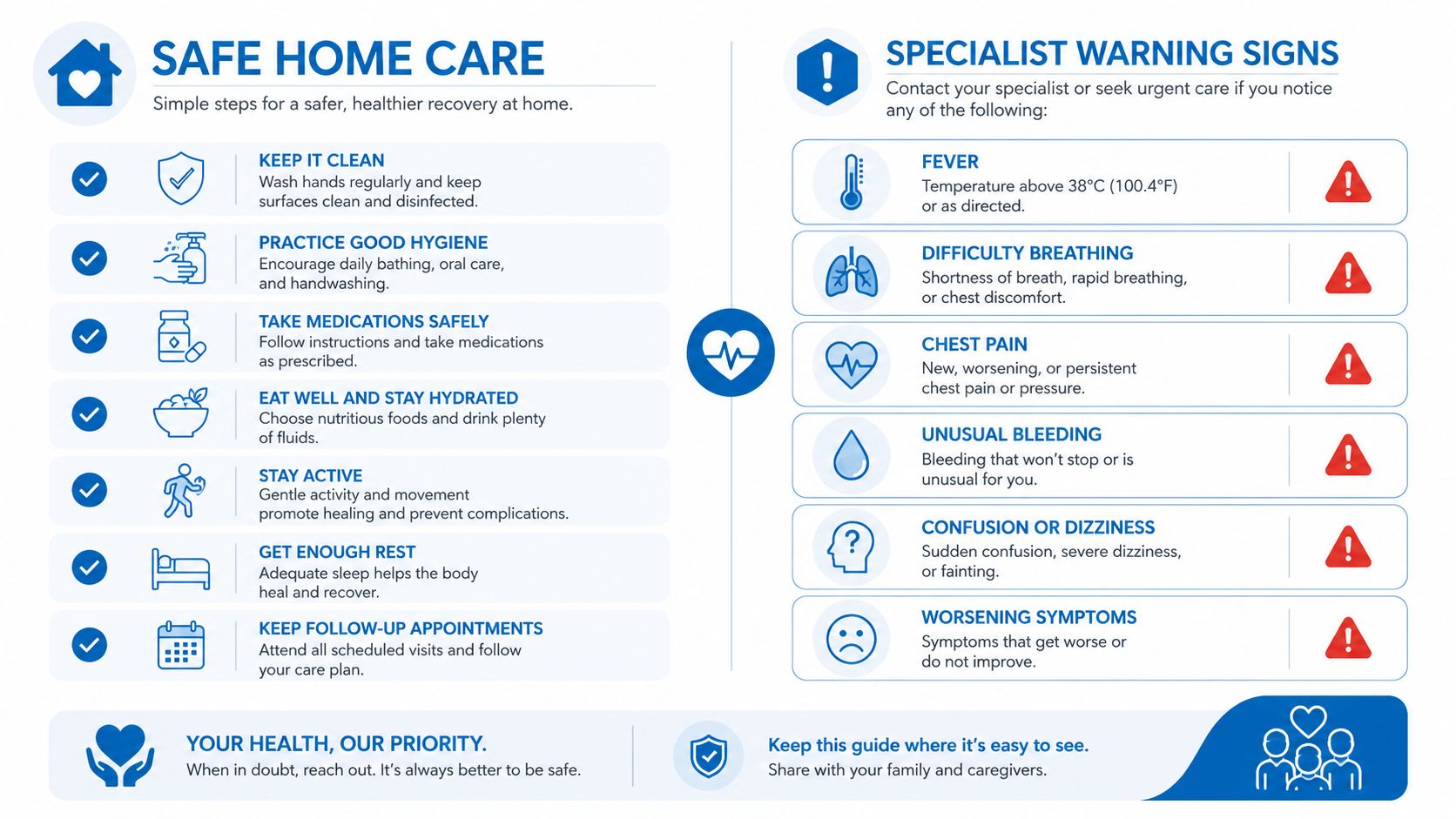
Self-treatment should be reassessed when pain continues despite consistent care, symptoms worsen, or massage becomes the only strategy without gains in strength or daily function. Prompt specialist evaluation is appropriate for night pain, unexplained weight loss, fever, sudden weakness, leg or foot numbness, bowel or bladder changes, or pain after a significant fall or other trauma.
A person who develops progressive neurologic symptoms shouldn't keep pressing the same sore spot and waiting for it to resolve. Those findings can indicate a spinal or nerve problem that needs timely examination.
Making a Clear Next-Step Plan
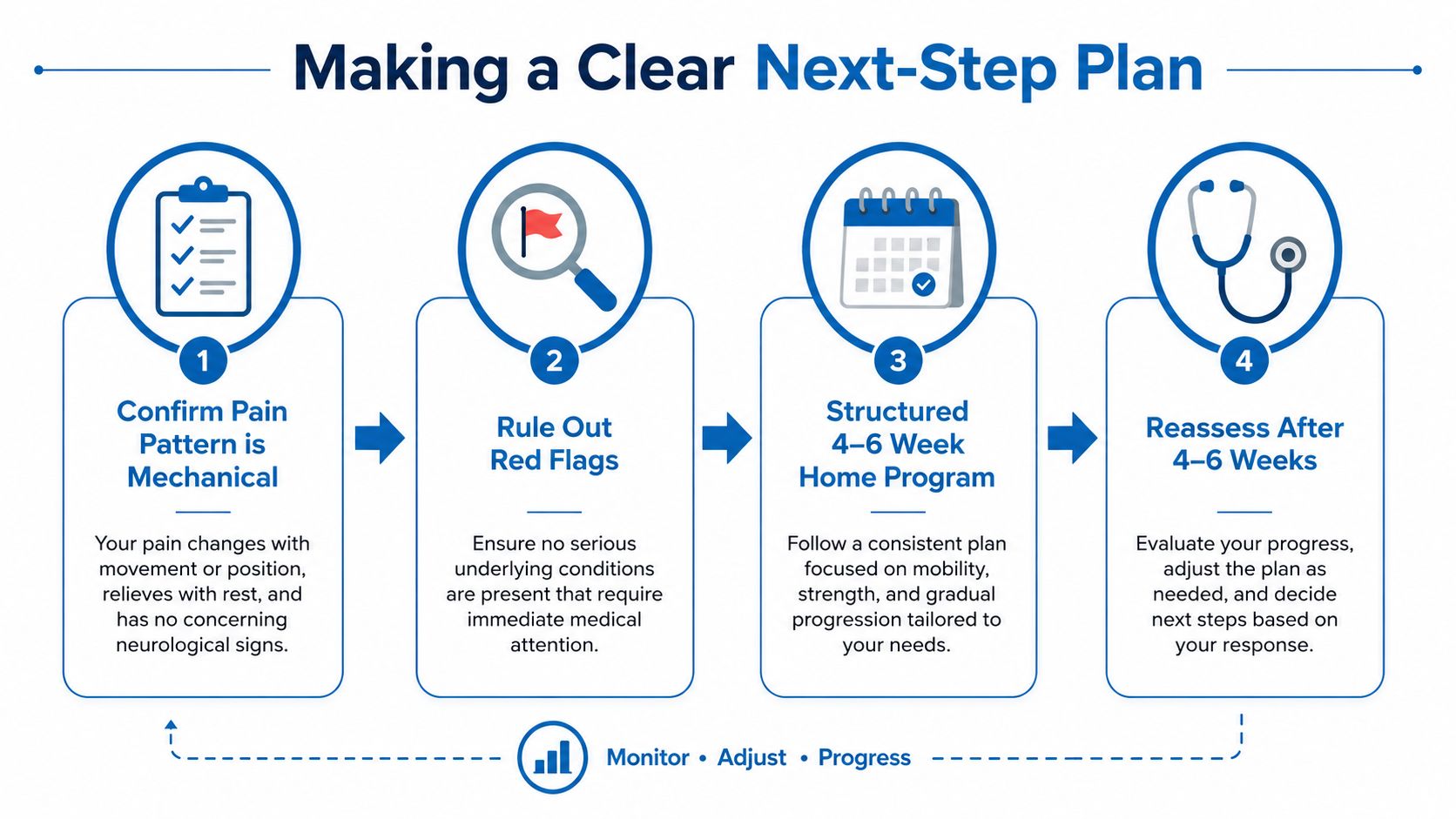
A practical pathway starts by confirming that the pain behaves mechanically and then checking for red flags or neurologic features. If the pattern is reassuring, a structured home program can combine load modification, comfortable mobility, and graded hip and lumbopelvic strengthening.
Symptoms and function should be tracked rather than judged only by tenderness. Useful notes include walking tolerance, stair ability, sleep position, single-leg control, pain distribution, and any numbness or weakness. Reassessment after two weeks can identify early direction, while a broader review after four to six weeks can determine whether the plan is restoring capacity.
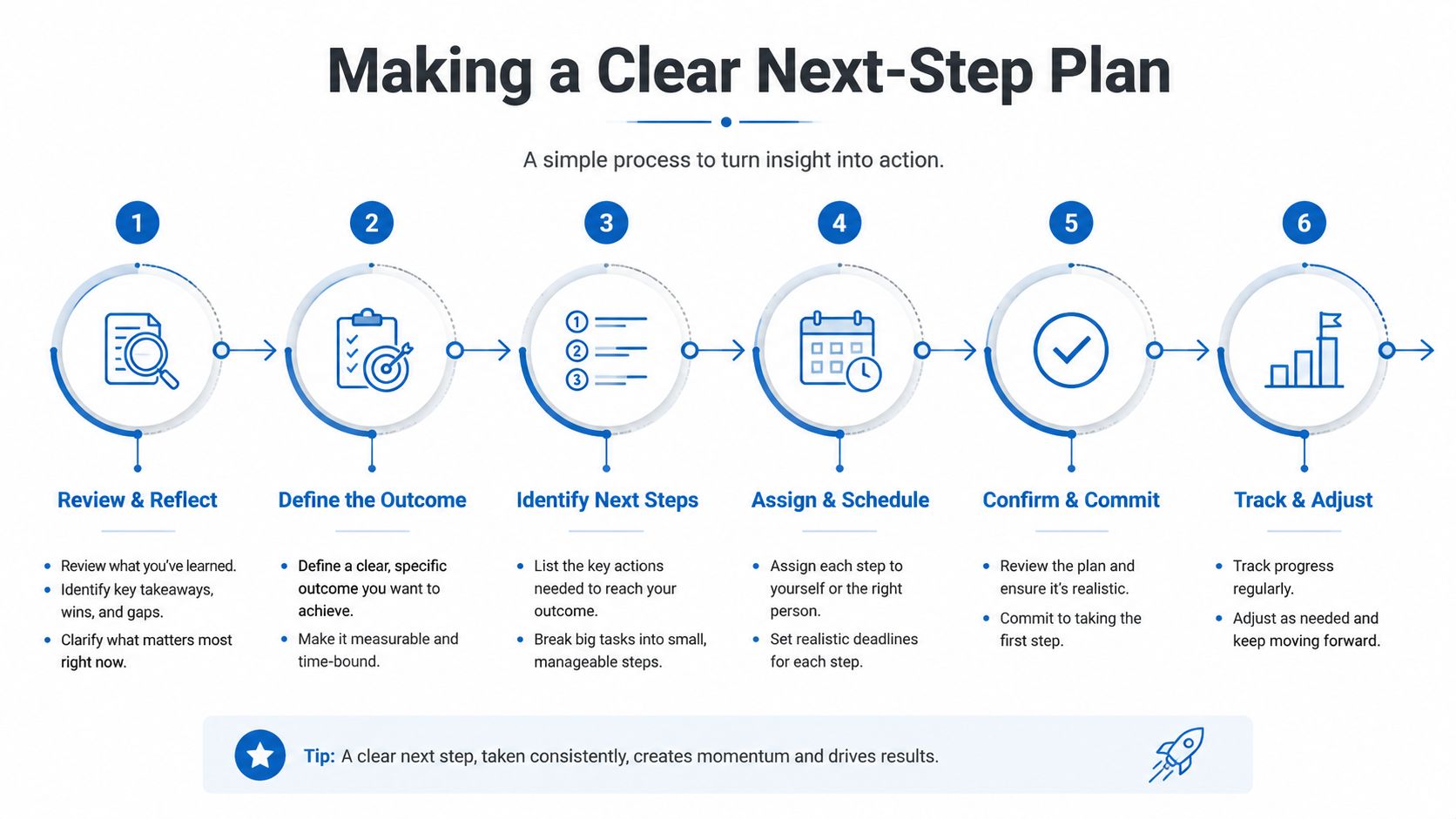
Persistent symptoms, worsening function, joint signs, or neurologic changes warrant clinical escalation. Interventional pain, spine, orthopedic, and rehabilitation clinicians may contribute different parts of the evaluation when a local muscle finding doesn't explain the whole presentation.
Interventional Pain Management evaluates back, hip, joint, and myofascial pain using history, examination, imaging when indicated, and procedure-based options such as trigger point injections when appropriate. Patients in New Jersey and Staten Island can visit Interventional Pain Management to request an assessment and discuss a treatment plan matched to the actual pain pattern.