
The injection is over, but the uncertainty often starts in the recovery bay. A patient may sit up, take a few steps, and notice that the familiar leg or back pain has nearly disappeared. Another may feel only tenderness at the needle site, or even a temporary increase in pain. Neither reaction tells the full story. Local anesthetic can create short-lived relief before it wears off, while the steroid's anti-inflammatory effect develops gradually over the following days.
Epidural steroid injection recovery is usually measured in days to weeks, not hours. Johns Hopkins Medicine describes steroid effects beginning within 1 to 3 days, while Cleveland Clinic notes that benefit may take 2 to 7 days, with some patients needing up to a week to notice a meaningful change, as summarized in this peer-reviewed recovery overview. The safest approach is to protect the injection site early, increase activity gradually, and judge results by pain and function over several weeks.
Table of Contents
- The First Hours After Your Injection
- The First Three Days of Recovery
- Tracking Your Response Through Week Four
- Returning to Work, Driving, and Exercise
- Delayed and Overlooked Effects to Watch For
- Red Flags That Need a Call to Your Doctor
- When Relief Falls Short and What Comes Next
The First Hours After Your Injection
In the recovery bay, a patient often tests the procedure before the staff has finished the discharge instructions. Sitting up feels easier. A few steps seem almost normal. The patient may turn to a family member and say, “It worked.”
That early improvement can be genuine, but it may come from the local anesthetic rather than the steroid. The anesthetic can temporarily reduce pain as it spreads around the targeted nerves. Some patients also notice heaviness, tingling, or numbness in a leg after a lumbar injection, or altered sensation around the neck and shoulder after a cervical procedure. Those effects should be assessed before discharge, especially if walking feels unsteady.
Most outpatient protocols include a monitored rest period before discharge. During that time, the clinical team checks alertness, strength, sensation, blood pressure, and the ability to walk safely. Patients who received sedation need a responsible adult to take them home, and driving restrictions apply for at least the day of the procedure.
Practical rule: Feeling better in the recovery bay is encouraging, but it isn't a reliable test of the steroid's final effect.
What the first evening should look like
The first evening should be deliberately quiet. The patient should go home, rest, avoid unnecessary errands, and follow the injection team's instructions about medications, food, and wound care. A small dressing or mild tenderness at the injection site is usually less concerning than pain that steadily escalates or new neurological symptoms.
Patients receiving a lumbar injection may find side-lying or back-lying positions more comfortable, with support under or between the knees. After a cervical injection, a neutral neck position and careful movement are preferable to prolonged bending or looking upward. The treating team's specific instructions take priority because the injection level, sedation, and medical history can change the plan.
The lumbar epidural steroid injection information can help patients understand the procedure they've just undergone, but discharge instructions remain the controlling guide for that individual recovery.
Meaningful relief usually cannot be judged in the parking lot. The anesthetic may fade before the steroid becomes active, and injection-site soreness can appear later that evening. The answer to whether the ESI helped will become clearer over the next several days.
The First Three Days of Recovery
A patient may feel steady leaving the clinic, then notice pain returning that evening as the local anesthetic fades. The first 72 hours are better used for a protected transition than for testing endurance. The steroid is still building its effect, so early symptoms do not predict the final result.
Day one
Rest for the remainder of the procedure day unless your clinician gives different instructions. Normal activities can often resume the next day, according to Cleveland Clinic guidance summarized in the evidence review of post-injection recovery. In practice, “normal” should exclude heavy lifting, repeated bending, twisting, running, and a full workout during this early window.
Ice may reduce soreness around the injection site. Wrap the pack in cloth and apply it for short periods rather than leaving it in place. Heat can feel pleasant, but it may worsen local swelling while the tissues remain irritated.
Day two
As the anesthetic disappears, pain can briefly flare. Needle-related tenderness often feels different from the original radiating nerve pain. For example, a patient treated for sciatica may feel low-back soreness without the same leg symptoms that led to the injection.
Short, comfortable walks usually serve recovery better than strict bed rest. Keep the pace easy enough to avoid guarding, limping, or a clear increase in symptoms. Change positions regularly as well. Spending most of the day in one chair or one bed position can add stiffness.
Day three
By day three, local tenderness often starts to settle, although steroid effects may continue developing. The usual pattern is brief rest followed by light movement and a gradual return to activity over 24 to 48 hours. Higher-load spinal activity should wait until the clinician clears it, consistent with this aftercare timeline.
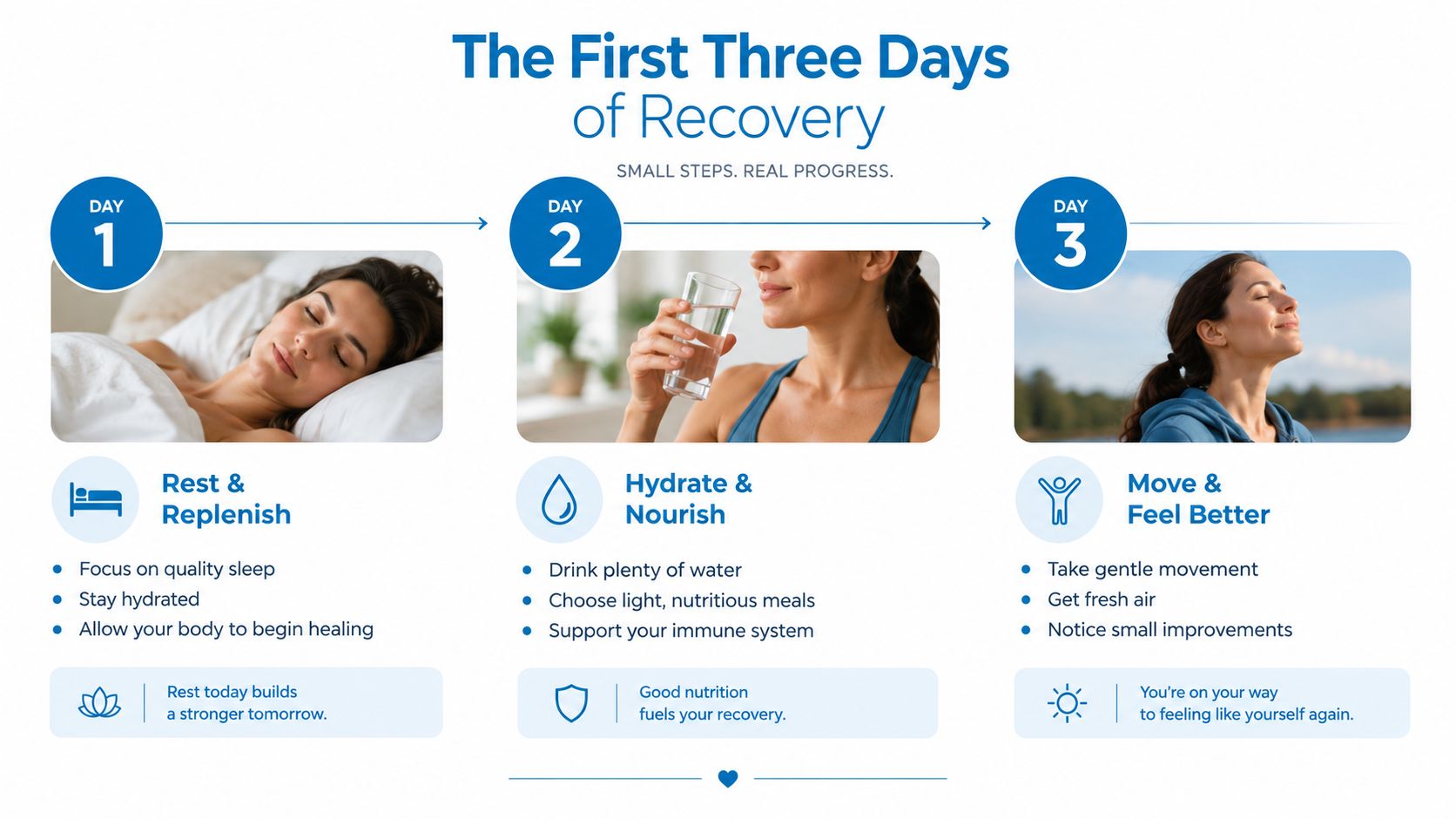
Follow prescribed medication instructions. Do not change a taper abruptly or use extra pain medicine to compensate for temporary numbness. Hydration, regular meals, and sleep support general recovery, but no food or supplement makes the steroid work instantly.
Keep a simple pain diary. Record pain location, walking tolerance, sleep, and medication use once or twice daily rather than checking symptoms hour by hour. That record separates brief soreness from a worsening pattern and gives your clinician more useful information if the response remains unclear.
Tracking Your Response Through Week Four
By the end of the first week, you can judge how the injection site and anesthetic transition went, but not always whether the steroid is helping the irritated nerve. Local soreness may be fading while the therapeutic effect is still developing. Some patients feel a change early. Others need more time before pain, sleep, and movement show a consistent shift.
During the second week, look for a trend rather than one unusually good or bad morning. You may sit longer, walk farther, sleep with fewer interruptions, or rely less on rescue medication. A partial response still provides useful clinical information, even when pain remains.
The three-week checkpoint
A three-week response window gives a more reliable point for review. A 2024 peer-reviewed study found that 51 of 108 patients, or 47.2%, achieved at least a 50% reduction in pain at three weeks, according to the reported study data. This result does not predict your individual outcome or serve as a pass-or-fail standard. It does show why judging an injection on day one or two can produce the wrong conclusion.
Improvement by week three may indicate a partial response. Your clinician might recommend continuing rehabilitation, reviewing the diagnosis, or discussing another targeted treatment. If there is no meaningful change by weeks three or four, reassessment may include the suspected pain source, examination findings, imaging, and whether steroid treatment suits the condition.
| Time After Injection | Typical Response | Functional Milestone | Clinical Decision Point |
|---|---|---|---|
| First week | Local soreness may settle while steroid benefit develops gradually | Light daily movement feels more manageable | Continue observation and the prescribed activity progression |
| Around week three | Relief may be partial, substantial, or absent | Sitting, walking, sleep, or medication use shows a clearer trend | Review the response instead of relying on the first few days |
| Week four | The response is easier to classify | Function can be compared with the pre-injection baseline | Discuss rehabilitation, further evaluation, or another treatment path |
A useful tracking method
Once or twice daily, record a pain score from 0 to 10, one functional measure, medication use, and any new sensation. Useful measures include sitting or walking tolerance, sleep quality, and whether you can complete a normal household task.
Keep injection-site soreness separate from the original nerve symptoms. Improving function with some remaining pain is different from no change at all. Relief may last several days to a few months or longer, and some patients report benefit lasting up to 12 months, according to Cleveland Clinic patient guidance. Your clinician should interpret that range alongside the diagnosis, imaging, examination, and treatment goals.
Returning to Work, Driving, and Exercise
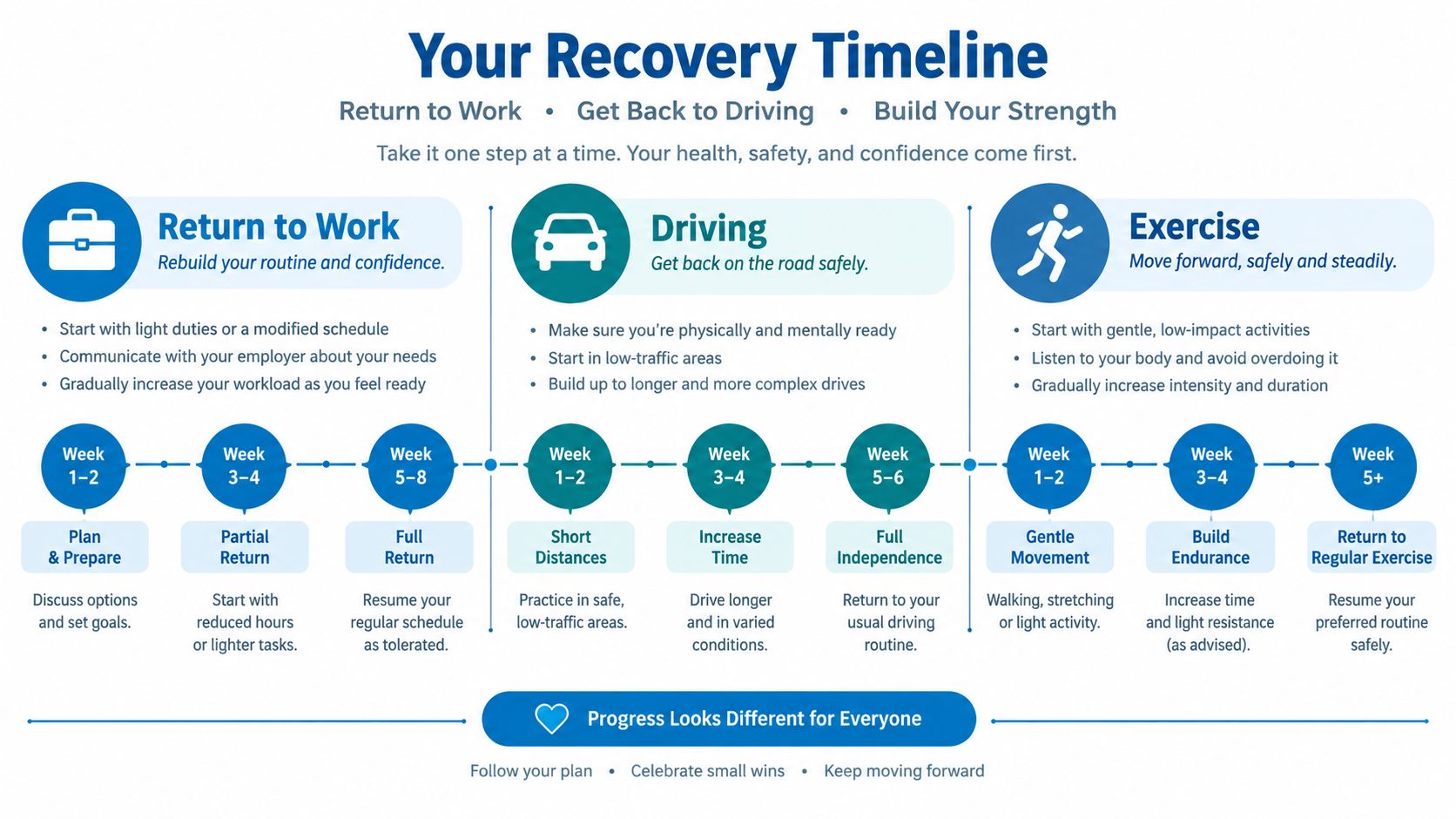
Your return to normal activity depends on the work you do and how your body responds. A desk worker, warehouse employee, commercial driver, and athlete place different demands on the spine. Alertness, strength, injection-site discomfort, medication effects, and tasks such as lifting, climbing, twisting, prolonged standing, or operating machinery all affect the plan. The first 48 hours are only the early checkpoint. Steroid benefit may continue building through the following weeks, so activity should progress without judging the final result too soon.
Driving and work
Do not drive on the procedure day if sedation was used. Arrange transportation with a responsible adult, and wait until sedation, numbness, weakness, dizziness, and medication-related impairment have resolved. Follow the clinic's discharge instructions even if you feel alert.
A sedentary worker may return the next day if sitting is comfortable and medication does not affect concentration. Physically demanding work may require temporary restrictions or a longer modification period. Set specific limits with your employer and clinician, including lifting, ladder use, repetitive bending, and prolonged standing, rather than choosing a return date alone.
Exercise progression
Walking is usually the safest starting point. Begin with short, comfortable walks and increase duration only while symptoms remain stable. Gentle stretching or prescribed physical therapy can follow if the movements do not reproduce severe pain, new weakness, or other neurological symptoms.
For roughly the first 48 hours, avoid strenuous exercise, heavy lifting, repetitive bending, twisting, running, and high-impact workouts, following the practical guidance summarized in this recovery timeline. Some patients need longer restrictions when activity triggers a flare or the clinician identifies a procedure-specific concern.
Activity check: If an activity causes severe pain, new numbness, weakness, or loss of balance, stop rather than trying to push through it.
Keep a brief activity log. Record walking duration, sitting tolerance, pain scores, and medication use. This record shows whether function is improving as steroid effects develop and gives your clinician more useful information than saying the injection “felt good” or “did nothing.”
Delayed and Overlooked Effects to Watch For
“Rest for a day” is useful advice, but it doesn't describe the entire recovery. An epidural steroid injection can produce local soreness and delayed systemic effects that appear after the patient has already left the clinic. A safety review reports that hypothalamic-pituitary-adrenal axis suppression occurs in most patients receiving an ESI, with recovery typically taking 2 to 4 weeks, as detailed in this review of steroid-related recovery issues.
The same review highlights transient hyperglycemia, mood changes, flushing, and fluid retention. These effects don't mean the procedure has caused a serious complication, but they can affect sleep, diabetes management, emotional stability, and readiness for intense exercise or another steroid exposure.
Effects that deserve monitoring
| Effect | When It May Appear | What to Do |
|---|---|---|
| Local soreness or a temporary pain flare | Early recovery, as anesthetic wears off | Use the prescribed aftercare plan, limit aggravating activity, and contact the clinic if pain is severe or worsening |
| Flushing, warmth, restlessness, or sleep disruption | After the steroid enters systemic circulation | Monitor severity, protect sleep, and report persistent or disruptive symptoms |
| Mood change or increased appetite | Delayed steroid effect | Note the change and contact the treating team if it affects safety or daily function |
| Fluid retention | During the recovery period | Watch for worsening swelling or breathing symptoms and seek medical advice when concerning |
| Elevated blood glucose | After injection in a patient with diabetes | Monitor more closely and coordinate any medication adjustment with the diabetes clinician |
| Menstrual change or post-menopausal bleeding | Following systemic steroid exposure | Report unexpected or persistent bleeding to the appropriate clinician |
Why diabetes requires a separate plan
Patients with diabetes shouldn't assume that routine aftercare instructions cover glucose management. Corticosteroids can raise blood glucose temporarily, so the patient should follow the monitoring plan provided by the diabetes clinician and ask for guidance before changing medication.
The injection site also deserves attention after the initial dressing comes off. Increasing redness, warmth, swelling, drainage, or fever isn't automatically explained by normal soreness. A new symptom that is persistent, worsening, or clearly different from the original pain deserves a call rather than an assumption that the steroid hasn't started working.
Patients seeking broader information about steroid exposure can review corticosteroid injection treatment considerations, while their own injection team remains the appropriate source for individualized instructions.
Red Flags That Need a Call to Your Doctor
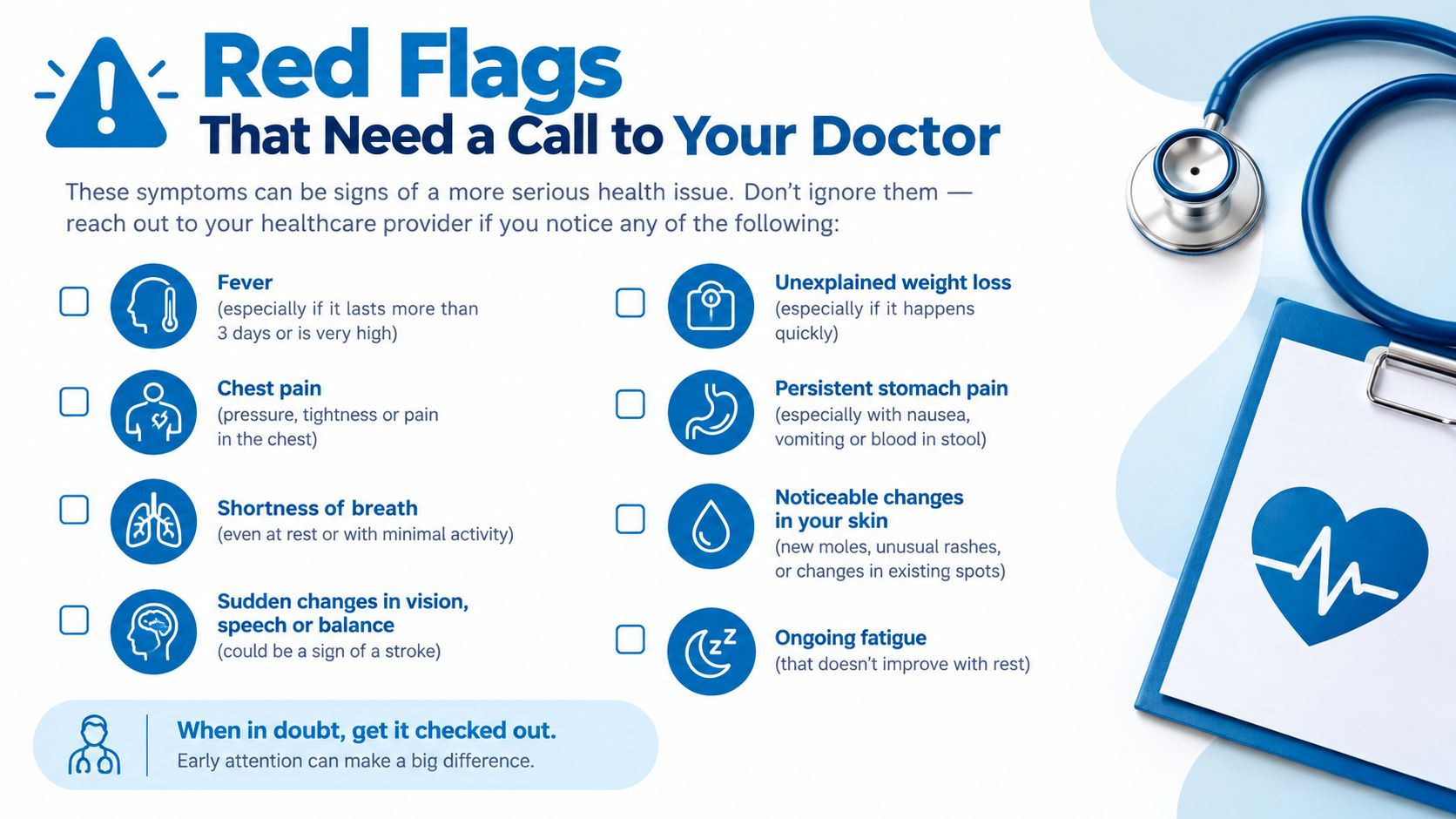
Some tenderness and a short-lived increase in pain can occur during recovery. The pattern should generally stabilize rather than steadily worsen. New neurological changes, infection symptoms, or loss of bladder or bowel function require a different response.
Same-day call symptoms
Patients should keep the clinic's after-hours number available and call the injection team the same day for:
- New weakness: Weakness in an arm or leg, especially if it affects walking, standing, gripping, or climbing stairs.
- Persistent numbness: Numbness that doesn't resolve as expected or is clearly different from the pre-procedure symptoms.
- Worsening pain: Severe pain, rapidly increasing pain, or pain that doesn't resemble the usual back or leg complaint.
- Balance changes: Difficulty walking, loss of balance, or a new unsteady gait.
- Site changes: Increasing redness, warmth, swelling, bleeding, or drainage at the injection site.
- Systemic symptoms: Fever, chills, or blood glucose that remains difficult to control.
Symptoms that need urgent medical care
Loss of bladder or bowel control, new urinary retention, saddle numbness around the groin, or rapidly progressing weakness should not wait for the steroid to take effect. These symptoms can indicate serious neurological compression and require urgent evaluation.
A severe headache that becomes worse when sitting or standing and improves when lying down also deserves prompt assessment. Nausea, vomiting, neck stiffness, or ringing in the ears makes that call more important.
Facial swelling, trouble breathing, chest pain, confusion, fainting, or another severe reaction warrants emergency help. The safest rule is simple: recovery that feels unexpectedly different, unsafe, or steadily worse should be reported. Patients shouldn't wait for a scheduled follow-up when bladder, bowel, breathing, infection, or rapidly changing neurological function is involved.
When Relief Falls Short and What Comes Next
At the three-to-four-week review, a patient may report that the injection helped only during certain activities, changed pain without restoring function, or provided no noticeable benefit. Partial relief means symptoms or function improved but the underlying problem remains. No relief means the expected pain pattern has not changed. Short-lived relief means the benefit faded before the condition was adequately addressed.
A second injection is not an automatic next step. Another targeted injection may be reasonable after a meaningful but incomplete response, provided the clinician weighs cumulative steroid exposure and the patient's medical risks. If improvement remains absent by the later review, reassess the diagnosis, imaging, physical therapy plan, and other treatment categories instead of repeating the same procedure by default.
Evidence supports realistic expectations rather than a promise of cure. A systematic review summary found that epidural steroids probably reduce short-term pain in cervical and lumbar radiculopathies, with a number needed to treat of 4 for pain and 6 for disability, as reported in this neurology evidence summary. Long-term disability improvement is less consistent. The injection should support rehabilitation, not replace it.
A practical decision tree
- Some relief with better function: Continue the prescribed rehabilitation plan and assess whether the gains last through the remaining recovery window.
- No meaningful change by the later review: Reassess the pain generator and consider another diagnostic or treatment approach.
- Relief that returns after a longer period: Discuss whether the recurrence reflects the original condition and whether another intervention fits the patient's goals and risks.
- Progressive weakness or new red flags: Arrange faster imaging or specialist evaluation rather than waiting for routine follow-up.
A broader plan may include movement, sleep, medication review, psychological support, and condition-specific rehabilitation. Guidance on managing chronic pain holistically can help organize these non-procedural supports. If the pain is facet-related rather than driven by nerve-root inflammation, radiofrequency ablation may offer a different treatment pathway.
After two unsuccessful injections, repeating the same strategy without revisiting the diagnosis deserves caution. A multidisciplinary pain consultation can bring together examination findings, imaging, rehabilitation, medication safety, and surgical considerations. The goal is to match treatment to the pain generator and the patient's functional goals, not to schedule another injection automatically.
Interventional Pain Management evaluates spine and nerve pain, performs image-guided procedures such as epidural steroid injections and nerve blocks, and coordinates non-invasive, interventional, orthopedic, and spine care when appropriate. Patients unsure whether recovery is progressing normally can visit Interventional Pain Management to request an evaluation and discuss the next step.